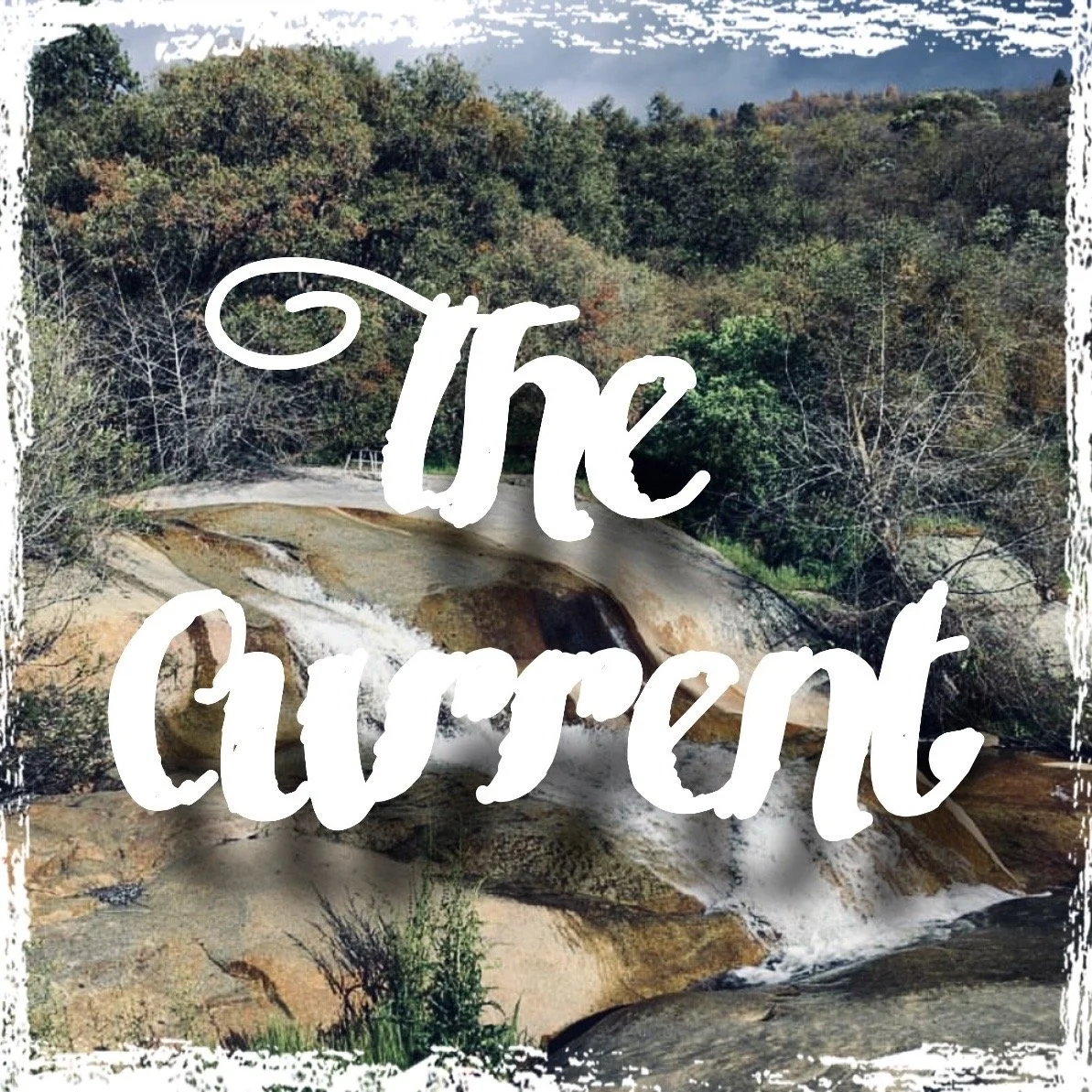
“The Current” by Ari R. Cross is a new, original composition in the form of a short symphony, specifically tailored towards high wind band groups, such as a wind symphony or ensemble based on the wide instrumentation. This piece is difficulty grade 5.
Program Notes
“The Current” is titled as a short symphony given the nature and grandeur of the piece itself. There are four movements to this piece, each with its own nature and meaning behind it, all coming together to form the Current;
I. “Adagio poi vivace” translates to “Slow, then fast”, simply encompassing the tempo of the movement as its title, not much meaning behind it. Roughly one year and one month ago to the date of the final composition of the Current, my grandfather passed away. This entire piece is dedicated to him, with this opening movement being his celebration of life. He was a man to be celebrated; a strong war veteran, a man who loved his family, a man who drove said family crazy, and so much more. My grandfather was a great person, much like every other person in my family, and on this planet Earth. He deserves to be celebrated, and the very unique, touching, graceful, precious lives that we all live as human beings deserve to be celebrated as well.
II. “Andante ma sicuro” translates to “Slowly, but surely,” encompassing less of a strict tempo feel of this slower movement, but rather the nature of the movement itself, and what (or rather where) it is supposed to sound like. My grandfather’s resting spot, and his favorite place to visit in California (our home state) is an area of land outside of Springville that part of our family owns and lives on. It’s quite a beautiful landmark, especially with the small but strong creek that lays at the bottom of the ridge on the land. Every time I visit there, or even just think of visiting there, I think about that creek, and how he resides within that creek. This movement reflects on what it sounds like to be in that creek; the silence of the mountainside, the dripping of the water on the stones, the delicacy of nature on that sacred land—overall, an eerie beauty.
III. “Moderato agitato” translates to “An average agitation,” more or less, encompassing the emotional aspect and agitation of losing a loved one, mixed with the natural ambience from the second movement. Losing a family member, or anything else you know, whether it’s a friend, a partner, an animal, a personal belonging, etc. is a hard and frustrating experience. What makes it worse is that such feelings are inevitable and appear at (arguably) the worst times, adding layers upon layers of anger, sadness, guilt, confusion, and more upon yourself. This movement not only reflects on what that may feel like in the form of music, but also emphasizes the use of soloistic instrumentation, rather than the full ensemble, representing how alone one may feel during such drastic times. Losing my grandfather took a huge mental toll out of me and my family, and feeling alone during it all, especially during the summertime where I was out of school, away from my friends and bored out of my mind, just made everything a thousand percent worse than it needed to be. So many words can be used to describe such horrible feelings, but it all boils down to redundancy, given that feelings are only one part of the puzzle of life; the second part is simply to move on.
IV. “Addio, l’attuale” directly translates to “Goodbye, the Current,” although in this environment, it would make more sense to think of it along the lines of “We’ve come full circle, like a current.” This movement wraps up the entire piece, and reflects on everything the other movements touched on, giving the audience and the music itself the closure it deserves. As set forth by the third movement, the only thing you can do when at your lowest for any reason, is to learn how to move on. It doesn’t make it go away, it doesn’t make it any less bad, but learning how to move on and continue with your life after something goes the wrong way is the only way you’ll be able to not only survive, but thrive. A year and a month later, and I’ve learned how to celebrate my grandfather and the hardships that his passing brought onto our family. I’ve learned that family ties and embracing your loved ones, alive or dead, is one of the most important forces that you could ever hope for. They are the ones who show you that you don’t have to go solo through it all. They are the ones who will help you get through it. They love you. Furthermore, the nature of this movement reintroduces many motifs introduced from the first movement, emphasizing that we’ve come full circle, just like a current does at the water (like a wave; they keep coming). This piece shows you that you’ve done it, and you can do it again, as long as you give yourself and your loved ones the grace, time and energy that you need to get it done.
Overall, the Current represents music in the obvious way that music works; however you decide to take it and experience the piece is how you should interpret it, whether you lost a family member as well, or overcame another related hardship, or created a full circle moment somehow, someway. All that’s left for you to do is catch the current.
Instrumentation
Piccolo — Flute 1, 2, 3 Doubles Alto Flute — Oboe 1, 2 Doubles English Horn — Bassoon 1, 2 — Contrabassoon — Clarinet in Eb — Clarinet in Bb 1, 2, 3 — Bass Clarinet — Contrabass Clarinet — Alto Saxophone 1, 2 — Tenor Saxophone — Baritone Saxophone — Trumpet 1, 2, 3 — Horn in F 1, 2 — Trombone — Bass Trombone — Euphonium — Tuba — Timpani — Glockenspiel — Xylophone — Marimba 1, 2 — Chimes — Auxiliary Percussion — Grand Piano
IMPORTANT: STEPS ON HOW TO PROPERLY PURCHASE
Thank you for your interest in purchasing The Current! I hope BrubbyBand’s new composition suits your ensemble and will blow the audience away when it is performed! To purchase this piece effectively (as BrubbyBand runs things a bit differently than elsewhere), please follow the steps below CAREFULLY!
1) Please fill out the purchase inquiry Google Form (linked below) to ensure that all of the needs to your purchase are met.
2) Ari will have prepared all of the PDF Files (and your receipt) to be sent to you via email AFTER you purchase the piece via the form (Check, Zelle, CashApp or PayPal) and the transaction is confirmed. More information is listed on the Google Form.
*** If the needs of your purchase are not met by BrubbyBand, please let Ari know immediately what concerns or questions you may have through the BrubbyBand contact page (my phone number or email).
Please note that upon purchase, the files are NOT to be sent to any other being(s) besides the one who purchased and are not to be seen by other beings as well in any form, given the copyright restrictions placed on all BrubbyBand merchandise, hence All Rights Reserved. Copyright 2026 BrubbyBand. Legal action will be taken if this requirement is not met.
“The Current” by Ari R. Cross is a new, original composition in the form of a short symphony, specifically tailored towards high wind band groups, such as a wind symphony or ensemble based on the wide instrumentation. This piece is difficulty grade 5.
Program Notes
“The Current” is titled as a short symphony given the nature and grandeur of the piece itself. There are four movements to this piece, each with its own nature and meaning behind it, all coming together to form the Current;
I. “Adagio poi vivace” translates to “Slow, then fast”, simply encompassing the tempo of the movement as its title, not much meaning behind it. Roughly one year and one month ago to the date of the final composition of the Current, my grandfather passed away. This entire piece is dedicated to him, with this opening movement being his celebration of life. He was a man to be celebrated; a strong war veteran, a man who loved his family, a man who drove said family crazy, and so much more. My grandfather was a great person, much like every other person in my family, and on this planet Earth. He deserves to be celebrated, and the very unique, touching, graceful, precious lives that we all live as human beings deserve to be celebrated as well.
II. “Andante ma sicuro” translates to “Slowly, but surely,” encompassing less of a strict tempo feel of this slower movement, but rather the nature of the movement itself, and what (or rather where) it is supposed to sound like. My grandfather’s resting spot, and his favorite place to visit in California (our home state) is an area of land outside of Springville that part of our family owns and lives on. It’s quite a beautiful landmark, especially with the small but strong creek that lays at the bottom of the ridge on the land. Every time I visit there, or even just think of visiting there, I think about that creek, and how he resides within that creek. This movement reflects on what it sounds like to be in that creek; the silence of the mountainside, the dripping of the water on the stones, the delicacy of nature on that sacred land—overall, an eerie beauty.
III. “Moderato agitato” translates to “An average agitation,” more or less, encompassing the emotional aspect and agitation of losing a loved one, mixed with the natural ambience from the second movement. Losing a family member, or anything else you know, whether it’s a friend, a partner, an animal, a personal belonging, etc. is a hard and frustrating experience. What makes it worse is that such feelings are inevitable and appear at (arguably) the worst times, adding layers upon layers of anger, sadness, guilt, confusion, and more upon yourself. This movement not only reflects on what that may feel like in the form of music, but also emphasizes the use of soloistic instrumentation, rather than the full ensemble, representing how alone one may feel during such drastic times. Losing my grandfather took a huge mental toll out of me and my family, and feeling alone during it all, especially during the summertime where I was out of school, away from my friends and bored out of my mind, just made everything a thousand percent worse than it needed to be. So many words can be used to describe such horrible feelings, but it all boils down to redundancy, given that feelings are only one part of the puzzle of life; the second part is simply to move on.
IV. “Addio, l’attuale” directly translates to “Goodbye, the Current,” although in this environment, it would make more sense to think of it along the lines of “We’ve come full circle, like a current.” This movement wraps up the entire piece, and reflects on everything the other movements touched on, giving the audience and the music itself the closure it deserves. As set forth by the third movement, the only thing you can do when at your lowest for any reason, is to learn how to move on. It doesn’t make it go away, it doesn’t make it any less bad, but learning how to move on and continue with your life after something goes the wrong way is the only way you’ll be able to not only survive, but thrive. A year and a month later, and I’ve learned how to celebrate my grandfather and the hardships that his passing brought onto our family. I’ve learned that family ties and embracing your loved ones, alive or dead, is one of the most important forces that you could ever hope for. They are the ones who show you that you don’t have to go solo through it all. They are the ones who will help you get through it. They love you. Furthermore, the nature of this movement reintroduces many motifs introduced from the first movement, emphasizing that we’ve come full circle, just like a current does at the water (like a wave; they keep coming). This piece shows you that you’ve done it, and you can do it again, as long as you give yourself and your loved ones the grace, time and energy that you need to get it done.
Overall, the Current represents music in the obvious way that music works; however you decide to take it and experience the piece is how you should interpret it, whether you lost a family member as well, or overcame another related hardship, or created a full circle moment somehow, someway. All that’s left for you to do is catch the current.
Instrumentation
Piccolo — Flute 1, 2, 3 Doubles Alto Flute — Oboe 1, 2 Doubles English Horn — Bassoon 1, 2 — Contrabassoon — Clarinet in Eb — Clarinet in Bb 1, 2, 3 — Bass Clarinet — Contrabass Clarinet — Alto Saxophone 1, 2 — Tenor Saxophone — Baritone Saxophone — Trumpet 1, 2, 3 — Horn in F 1, 2 — Trombone — Bass Trombone — Euphonium — Tuba — Timpani — Glockenspiel — Xylophone — Marimba 1, 2 — Chimes — Auxiliary Percussion — Grand Piano